
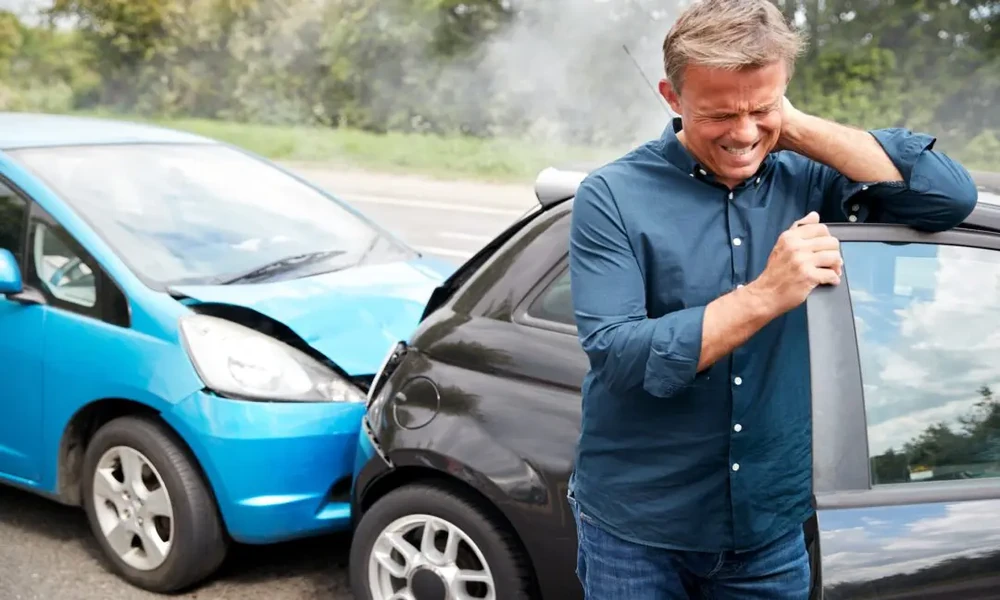
A passenger can suffer an injury despite having no control over either vehicle involved in a collision. The journey may have been in a relative’s car, an employer-owned vehicle, a taxi, a bus or another form of transport. Each arrangement can create different reporting and evidential questions.
Being a passenger does not guarantee that compensation will be available or that responsibility will be straightforward. A passenger who needs advice about their circumstances may contact Lacey Solicitors after identifying the journey, vehicles and available evidence.
Before the Impact: Define the Journey
The first step is to record the nature of the journey. Identify who was driving, who owned the vehicle, where the passenger was seated and why the journey was taking place.
A passenger in a private car may know the driver personally. Someone using a taxi or private hire service may instead have a booking confirmation, digital receipt and vehicle information. A work journey may be supported by an employer’s instructions, mileage record or internal travel policy.
These details help establish which vehicle, driver, owner and insurer may be relevant.
The passenger should also note whether a seat belt was worn, whether an airbag deployed and whether any luggage or objects moved during the collision. These are factual observations rather than conclusions about injury.
During the Collision: Preserve an Independent Recollection
A passenger may have observed details that the driver missed. They might remember a traffic signal, sudden braking, the direction of impact or something said immediately afterwards.
However, passengers are not always watching the road. Someone may have been speaking, reading or looking through a side window. They should not feel pressured to fill gaps with assumptions.
The most reliable approach is to write an account before discussing the event extensively with other occupants. The statement should distinguish what the passenger saw, heard and felt from what another person later explained.
Genuine differences between accounts should not be hidden. Two people seated in different positions may naturally notice different aspects of the same collision.
After the Impact: Identify Every Relevant Vehicle
In a multi-vehicle collision, it may not be obvious which movement caused the passenger’s body to shift. One vehicle may strike another and push it into the passenger’s vehicle.
Where possible, the passenger should preserve the registration, driver, owner and insurance details for every vehicle involved. Photographs can help show their positions and visible damage.
Dashcam footage should be saved promptly. If the journey took place in a taxi, bus or commercial vehicle, onboard cameras or operator records may also exist.
Availability cannot be assumed, and footage may not be retained indefinitely. Any request should include the date, approximate time, route and precise location.
When the Driver Is Someone Close
A passenger may hesitate to seek legal advice when the driver is a relative, friend or colleague. They may believe that doing so automatically means pursuing that person personally.
The position can involve insurance arrangements and other parties. Obtaining advice does not require the passenger to make an unsupported accusation.
The personal relationship should not influence the factual account. A passenger should neither protect nor blame the driver by changing what they genuinely remember.
Discussing the process privately and professionally may also reduce unnecessary tension. Legal and insurance questions should be clarified before assumptions damage an important relationship.
Taxi and Private Hire Passengers
App-based and private hire journeys often create a useful digital trail. The passenger should preserve the booking confirmation, route, driver profile, vehicle registration and payment receipt.
If the collision is reported through an application, retain screenshots and copies of the submitted information. Customer service correspondence may also identify an internal incident number.
A passenger should avoid relying entirely on access to the app. Accounts can be closed, devices can be lost and older journey information may become harder to retrieve. Important records should be saved separately.
Bus, Coach and Other Public Transport Journeys
A passenger on public transport may not know the driver’s name or vehicle registration. Route numbers, ticket details, boarding location, direction of travel and approximate time can help identify the correct service.
The incident should be reported through the operator’s appropriate procedure. A copy of the report and any response should be retained.
Other passengers may be potential witnesses. Their contact details can be valuable, particularly if the event did not involve a clear collision with another vehicle, such as sudden braking or an evasive manoeuvre.
The operator may hold onboard footage or internal records, but disclosure and retention will depend on the circumstances.
Work-Related Passenger Journeys
A collision occurring during work travel may need to be reported to the employer as well as the relevant insurer or transport provider.
The passenger should complete any workplace incident form accurately and retain a copy. The internal report should be consistent with the person’s genuine recollection rather than being adapted to protect a colleague or employer.
Records may also be needed if symptoms affect the person’s ability to work. These can include absence information, adjusted duties, fit notes and wage documents.
The fact that a journey was work-related does not automatically determine who is responsible. Vehicle ownership, employment arrangements and accident circumstances may all require examination.
Medical Information From the Passenger’s Perspective
Passengers should explain where they were seated, the direction of impact and whether any part of the body struck the interior. They should also describe when symptoms began.
Neck stiffness or headaches may develop later. Significant, worsening or unusual symptoms should be assessed appropriately.
Earlier injuries and medical conditions should be disclosed. A professional may need to determine whether the collision caused a new injury, aggravated an existing condition or had no material effect on it.
Medical care should always be guided by health needs rather than assumptions about a potential claim.
Insurance Contact and Early Offers
An insurer may contact the passenger for a statement or medical information. Answers should be truthful and limited to what the passenger genuinely knows.
The passenger should not guess vehicle speeds, distances or technical causes. Any written statement should be read carefully before it is signed.
If an offer is made while symptoms are ongoing, the passenger should understand what accepting it would mean. Legal advice may be appropriate where the medical position or effect of settlement is unclear.
No passenger should feel pressured to make an immediate decision simply because another person describes the matter as straightforward.
The Passenger’s Own Evidence File
A passenger’s file may contain more journey-specific information than a driver’s. Useful categories include:
- Booking, ticket or employment records
- Vehicle and driver information
- Passenger seating details
- Photographs and video files
- Independent witness information
- Operator or employer reports
- Medical and treatment records
- Insurance correspondence
- Evidence of practical or financial impact
Each document should be dated and stored securely. Original digital files should remain unchanged.
A Passenger Is Still an Independent Witness
Passenger status removes control over the vehicle, but it does not remove the need for careful evidence. The passenger’s strongest contribution is often an honest account that remains independent of the drivers’ competing versions.
Identifying the journey, preserving commercial or employment records and explaining the seating position can provide important context. Medical and practical consequences should then be documented accurately.
The outcome will depend on the complete circumstances. Passenger status alone does not establish liability, causation or entitlement to compensation.