
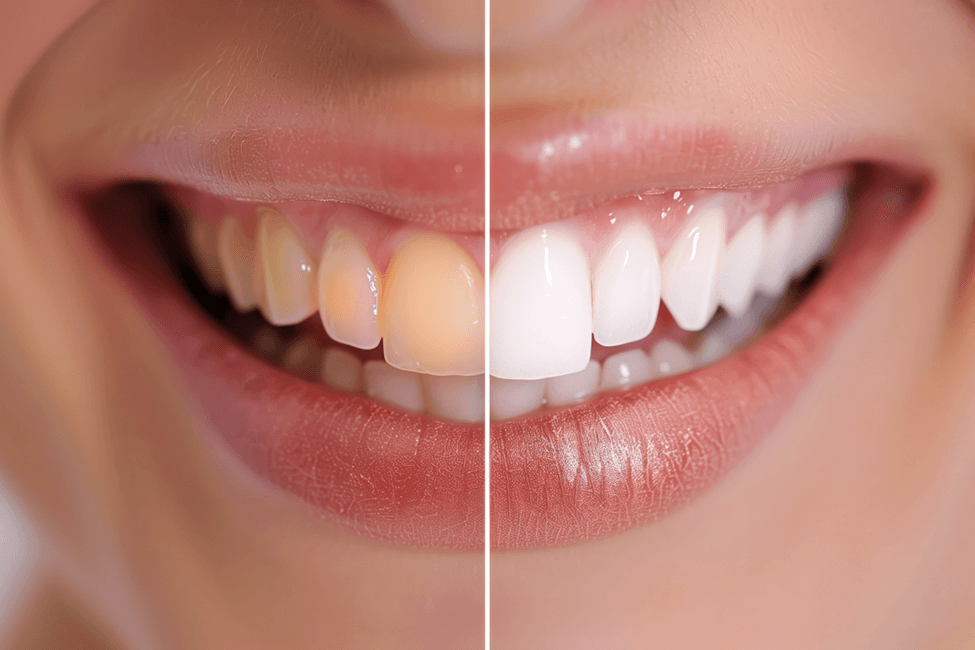
Your smile affects how you speak, eat, and connect with others. When teeth change, daily life can feel tough. You might hide your smile, avoid photos, or chew on one side of your mouth. That quiet stress builds over time. Cosmetic and restorative dentistry can repair damage, improve function, and bring back a natural look. It is not about chasing perfection. It is about comfort, health, and confidence. Many people wait until pain forces them to act. You do not need to wait. If you notice certain changes in your teeth or gums, care from a trusted Newbury Park dental team can help you feel steady again. This blog explains three clear signs that treatment may help you. You will see how small changes in your mouth can point to deeper problems and how timely care can protect your teeth, your bite, and your peace of mind.
Sign 1: You hide your smile or feel uneasy about your teeth
You may feel a sting of shame each time you see a photo. You might press your lips together when you laugh. You might avoid meeting new people because you do not want them to notice your teeth.
These habits are common. They are also strong warning signs. Your mouth may work, but you do not feel at ease. That emotional strain matters. It can affect your work, your relationships, and your sense of worth.
Cosmetic and restorative care can help when you notice things like:
- Dark or yellow teeth that do not change with brushing
- Chipped or cracked teeth from past injuries
- Teeth that look uneven, crowded, or spaced out
- Old fillings that show when you talk or smile
These changes often grow slowly. You adjust, one small step at a time. Then one day you stop smiling in public. That is the moment to act.
Modern treatment can:
- Lighten stains that brushing cannot remove
- Cover chips and cracks so teeth look whole
- Shape teeth so your smile looks even and calm
- Replace worn or metal fillings with tooth colored repairs
The goal is not a perfect smile. The goal is a smile you do not think about. You should be able to speak, laugh, and eat without fear.
Sign 2: You have trouble chewing or notice changes in your bite
Chewing should feel simple. When you start to avoid certain foods, your body is sending a clear signal. Something in your mouth is not working well.
Common signs include:
- Chewing on one side to avoid a sore tooth
- Food getting stuck in the same spots
- Jaw soreness after meals
- Clicking sounds when you open or close your mouth
- New gaps between teeth
These changes can come from worn enamel, cracked teeth, missing teeth, or old dental work that no longer fits. Over time, your bite can shift. That shift can strain your jaw and wear down other teeth.
The National Institute of Dental and Craniofacial Research explains that bite problems can increase the risk of tooth wear and pain in the jaw joint.
Restorative and cosmetic treatments can:
- Rebuild worn teeth so they meet in a more even way
- Replace missing teeth so nearby teeth do not tip or drift
- Fill cavities before they reach the nerve
- Adjust the shape of teeth so your bite feels more stable
When your bite works well, chewing becomes calm. You can eat a wider range of foods. That supports better nutrition and general health.
Sign 3: You have ongoing pain, sensitivity, or damage you keep ignoring
Pain is a blunt signal. Your body is asking for help. Many people still push it aside. They chew on the other side, take pain medicine, or avoid cold drinks. This pattern can turn a small fix into a much larger repair.
Warning signs you should not ignore include:
- Tooth pain that comes and goes
- Sharp zings with hot or cold foods
- Pressure pain when you bite down
- Teeth that feel loose or move
- Broken fillings or chipped crowns
- Bleeding gums when you brush or floss
Cosmetic and restorative care can often solve these problems by:
- Removing decay and placing a filling or crown
- Repairing broken teeth before they split further
- Cleaning and treating gums so they support teeth
- Replacing damaged or missing teeth so your mouth stays strong
Each step protects the tooth you have left. That is the core goal. Keep what you have. Repair what you can. Replace only when needed.
How cosmetic and restorative treatments compare
Cosmetic and restorative care often work together. It helps to see how they differ and how they overlap.
|
Type of care |
Main purpose |
Common examples |
Helps when you notice |
|---|---|---|---|
|
Cosmetic dentistry |
Improve how teeth look |
Teeth whitening, veneers, bonding |
Stains, chips, gaps, uneven edges |
|
Restorative dentistry |
Repair or replace damaged teeth |
Fillings, crowns, bridges, implants |
Pain, decay, broken teeth, missing teeth |
|
Combined care |
Improve function and look at the same time |
Crowns that match teeth, tooth colored fillings |
Teeth that need repair and a natural look |
You do not need to know which type of care you need. That is the dentist’s role. Your role is to notice changes and speak up early.
When to seek help and what to expect
If you see yourself in any of these three signs, schedule an exam. You do not need to wait for severe pain. Early care is often simpler and less invasive.
At a visit, you can expect three basic steps.
- Review your concerns. Share what bothers you most, even if it feels small.
- Get a full check of teeth, gums, and bite. This may include X-rays.
- Discuss clear options. Ask about cost, time, and what each step involves.
You deserve teeth that feel steady and a smile that feels safe. When you notice you are hiding your smile, avoiding foods, or living with pain, take that as a firm sign. It is time to get your mouth back to a state that supports your daily life and your peace of mind.