
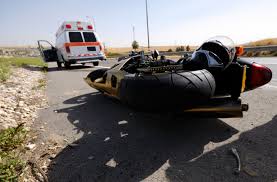
Statistics are clear: left-turn collisions are the single most deadly motorcycle crash type in California. A driver turning left across oncoming traffic fails to see or yield to an approaching motorcyclist-and the result is a direct frontal collision at closing speeds that frequently cause catastrophic or fatal injuries. What makes these crashes particularly frustrating is how often they’re contested. Drivers who failed to see approaching motorcycles claim the rider appeared suddenly, was speeding, or was in some way responsible for a collision caused entirely by the driver’s failure to yield.
In Glendale, where surface streets connect major corridors and commercial district turns are constant, left-turn motorcycle crashes happen regularly. Riders deserve representation that understands both the physics and the legal landscape.
How Left-Turn Liability Works Under California Law
California Vehicle Code Section 21801 requires drivers turning left to yield to oncoming vehicles proceeding through the intersection. This duty exists regardless of whether the oncoming vehicle is a car or motorcycle. ‘I didn’t see them’ is not a legal defense-it confirms the driver failed to look adequately before turning, which is itself the negligent act.
Insurance companies argue the motorcyclist was speeding or was illegally in the lane. These arguments shift comparative fault to the rider. Responding to them requires evidence: accident reconstruction analysis establishing the rider’s actual speed, witness accounts of the motorcyclist’s legal travel, and sometimes signal timing data showing which party had right of way.
Catastrophic Injuries Demand Comprehensive Damages
Left-turn motorcycle crashes at intersection speeds cause injuries disproportionate to their apparent circumstances: traumatic brain injuries even through helmets, spinal cord damage from awkward impact angles, multiple fractures requiring extensive surgical repair, and road rash from secondary ground contact. Life care planners and forensic economists are essential for documenting the lifetime cost of these injuries properly.
Top Motorcycle Accident Attorneys in Glendale
1. Avian Law Group
Avian Law Group’s Glendale motorcycle accident attorneys handle left-turn collision cases with the technical evidence necessary to counter speed and visibility defenses. Their investigation includes intersection analysis (sight lines, signal timing, lane width), accident reconstruction that establishes rider speed from physical evidence rather than speculation, and cell phone record requests to determine whether driver distraction contributed to the failure to see the approaching motorcycle.
Several firm attorneys are riders themselves, providing credibility and personal understanding of how these crashes unfold. They handle cases from soft tissue through catastrophic injury, all on contingency.
2. The Dominguez Firm
Motorcycle-specific accident reconstruction; substantial verdict history on serious left-turn collision injury cases.
3. Citywide Law Group
Trial-ready case preparation from day one; challenges driver ‘didn’t see’ defenses with intersection analysis and expert testimony.
4. West Coast Trial Lawyers
Multiple seven-figure motorcycle results; litigation reputation that prevents insurers from exploiting anti-rider bias in settlement offers.
5. The Reeves Law Group
Comprehensive documentation of rider conduct and legal lane travel; counters comparative fault arguments with evidence.
What Riders Should Document After Left-Turn Crashes
Photograph the intersection from multiple angles including the driver’s approach path-showing what sight lines existed before the turn. Document the position of both vehicles at rest, skid marks, and any traffic control devices. Note whether traffic cameras, business cameras, or other recording devices were positioned to capture the intersection.
Preserve your motorcycle and gear without repair. Seek immediate medical attention even if injuries seem limited. California’s two-year statute of limitations applies; early investigation while scene evidence remains accessible is critical.