
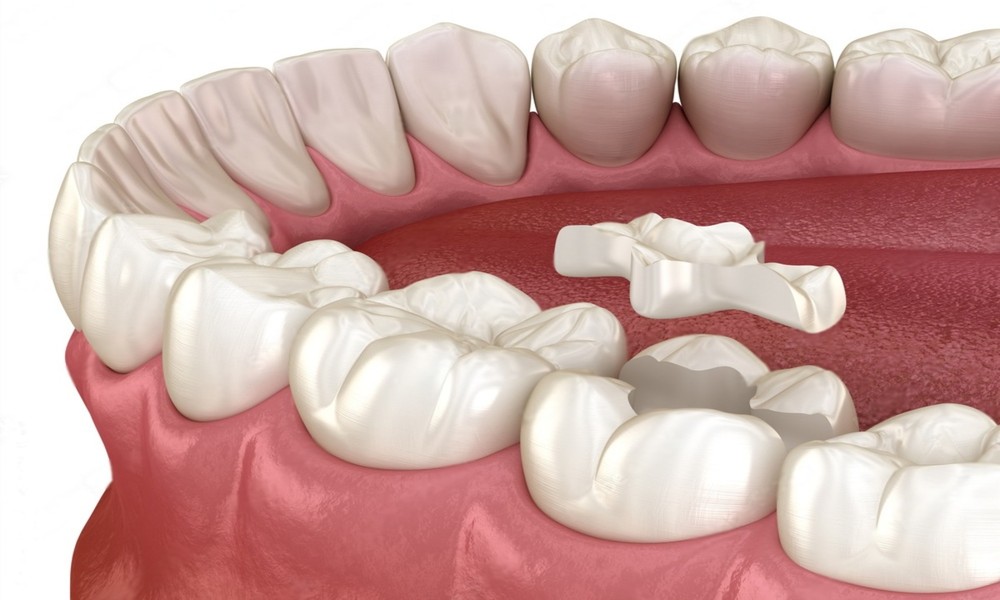
When a tooth breaks or decays, you feel it every time you chew. You may start avoiding one side of your mouth. You may even stop smiling. Porcelain inlays give you a precise way to restore that tooth so you can use it again without fear. These custom pieces fit inside the tooth, protect what is left, and blend with your natural color. You keep more of your healthy teeth. You also gain strength where you need it most. A Clearwater family dentist may suggest a porcelain inlay when a simple filling is too weak, and a crown removes too much tooth. This choice can reduce pain, stop cracks from spreading, and bring back steady chewing. You deserve care that respects your time, your comfort, and your trust. Porcelain inlays offer a quiet, exact solution that lets you eat, speak, and smile with steady confidence.
What Is A Porcelain Inlay
A porcelain inlay is a solid piece that fits inside the grooves of a back tooth. It restores shape and chewing strength after decay or fracture. It is made outside your mouth and then bonded into place.
You might need an inlay when
- A cavity is too large for a simple filling
- A tooth cracks but still has strong walls
- An old filling leaks or breaks
Inlays protect the chewing surface. They keep the tooth from flexing and splitting. You keep a more natural structure than with a full crown.
How Porcelain Inlays Differ From Fillings And Crowns
Every tooth repair has tradeoffs. It helps to see how options compare so you can choose with clear eyes.
|
Treatment |
What It Is |
Best For |
Tooth Removal Needed |
Strength And Fit |
|---|---|---|---|---|
|
Tooth colored filling |
Soft material placed and hardened in the tooth |
Small to medium cavities |
Least |
Good, but can wear or shrink over time |
|
Porcelain inlay |
Custom solid piece bonded inside the tooth |
Medium to large damage with strong walls |
Moderate. You keep more teeth than with a crown |
Very strong, precise fit, stable color |
|
Crown |
Cap that covers the entire tooth |
Severe damage or root canal teeth |
Most. Tooth is trimmed all around |
Very strong coverage but more removal |
You and your dentist choose based on how much tooth is left, how you bite, and your long-term goals.
The Porcelain Inlay Procedure Step By Step
You can expect three clear phases.
1. Assessment And Tooth Prep
- Your dentist checks the tooth with an exam and often an X-ray
- You receive numbing, so you stay comfortable
- Decay and weak parts are removed
- The tooth is shaped to create clean edges for bonding
At this visit, an impression or digital scan records the exact shape. This becomes the guide for the lab.
2. Custom Inlay Creation
A dental lab uses the model to make a porcelain piece that matches your tooth. They match shade and shape, so it blends when you smile.
You may receive a temporary filling to cover the tooth while you wait. You care for it like a normal tooth and avoid hard chewing on that side if told.
3. Try In And Bonding
- The dentist removes the temporary and cleans the tooth
- The inlay is placed to check fit and contact with nearby teeth
- Adjustments are made so your bite feels even
- A bonding material is used to lock the inlay in place
- The surface is polished smooth
You leave that visit with a strong restored tooth. You usually eat on it the same day once the numbness wears off.
Benefits Of Porcelain Inlays For You And Your Family
Porcelain inlays offer three clear gains.
- Protection. They spread chewing forces and help stop small cracks from turning into breaks
- Conservation. They remove less healthy teeth than many crowns
- Appearance. They match the tooth color and resist stains
The National Institute of Dental and Craniofacial Research explains that untreated decay can lead to infection and tooth loss. A strong, sealed inlay blocks bacteria from entering deep parts of the tooth. That lowers the chance of needing root canal treatment or extraction later.
Who Is A Good Candidate
You may be a strong candidate for a porcelain inlay if
- You have moderate decay that does not reach the root
- Your tooth has enough wall height to support a bonded piece
- You grind or clench and need a stronger option than a large filling
- You want natural color instead of metal
Children and teens can receive inlays once their permanent molars are fully in and the tooth is large enough. Adults of any age can benefit if the tooth structure allows it.
What To Expect After Treatment
After an inlay, the tooth may feel tender to chewing and temperature for a short time. This usually fades as the tooth settles.
You protect your inlay by
- Brushing twice a day with fluoride toothpaste
- Cleaning between teeth once a day with floss or interdental cleaners
- Seeing your dentist for checkups and cleanings
- Wearing a night guard if you grind your teeth
The Centers for Disease Control and Prevention stresses that regular oral care lowers the risk of decay around restorations. Good habits help your inlay last many years.
Questions To Ask Your Dentist
Clear questions help you feel safe and heard. Consider asking
- Why is an inlay better for this tooth than a filling or a crown
- How many healthy teeth will you remove
- What material will you use, and how long does it usually last?
- Will my insurance help cover this treatment
- What warning signs should make me call you after treatment
You deserve straight answers. You also deserve options that protect both your teeth and your peace of mind.
Taking The Next Step
If you feel pain when you chew or see a cracked or broken tooth, do not wait. Problems grow fast. A timely porcelain inlay can turn a fragile tooth into a steady one again. It respects the tooth you still have. It adds strength where you have lost it. It lets you eat with less fear and smile without hiding your teeth.